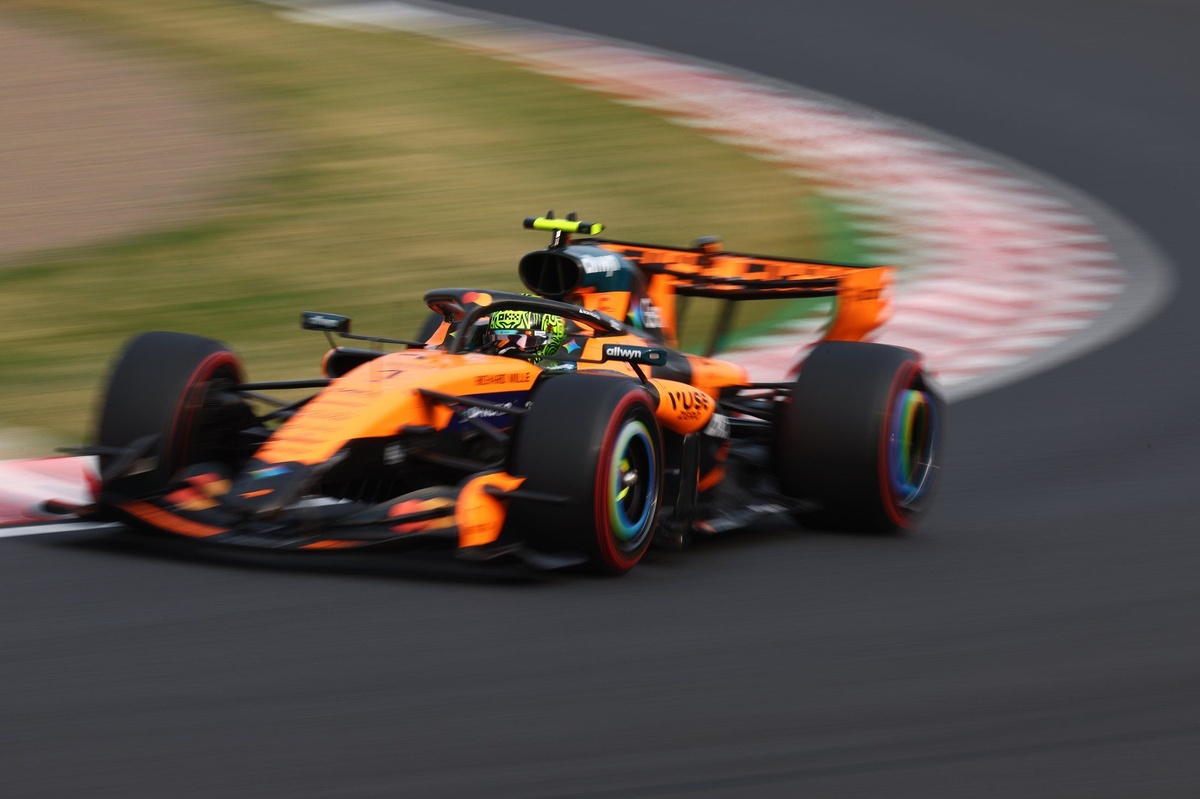
Formula 1 is set to undergo significant changes in its regulation framework starting from the Miami Grand Prix, impacting how teams approach qualifying and race strategies. These modifications aim to promote closer competition and improve the racing spectacle for fans worldwide.
One of the key adjustments involves the qualifying format. Teams and drivers will now push closer to the physical and technical limits of their cars during qualifying sessions. This change is designed to increase the intensity and competitiveness of the qualifying runs, making it more challenging to secure pole position. As a result, drivers will need to balance aggressive driving with precision to maximize their performance without risking penalties or crashes.
In addition to the qualifying modifications, the regulation updates are expected to reduce the frequency of opportunistic overtakes during races. Traditionally, overtaking has been a vital aspect of F1, but recent seasons have seen a rise in strategic overtakes that sometimes disrupt the flow of the race. The new rules aim to create a more stable racing environment where overtakes are earned through skill rather than opportunistic maneuvers, thus encouraging cleaner and more competitive racing.
These changes also include adjustments to car aerodynamics and tire management rules, which collectively influence how teams set up their cars for qualifying and race conditions. Teams will need to adapt quickly to these new parameters to remain competitive, emphasizing the importance of strategic planning and technical innovation.
Overall, the regulation updates from Miami are expected to bring a fresh dynamic to Formula 1. Closer qualifying sessions will increase the excitement during the initial stages of the race weekend, while fewer overtakes may lead to more strategic battles and less unpredictability during the race itself. Fans and teams alike are eager to see how these changes will influence the racing landscape in the upcoming races.
As the season progresses, it will be interesting to observe how teams adjust their strategies to these new regulations and whether the intended benefits of closer competition and cleaner racing will be fully realized. The Miami Grand Prix marks a pivotal point in this ongoing evolution of Formula 1, promising a more thrilling and competitive season ahead.